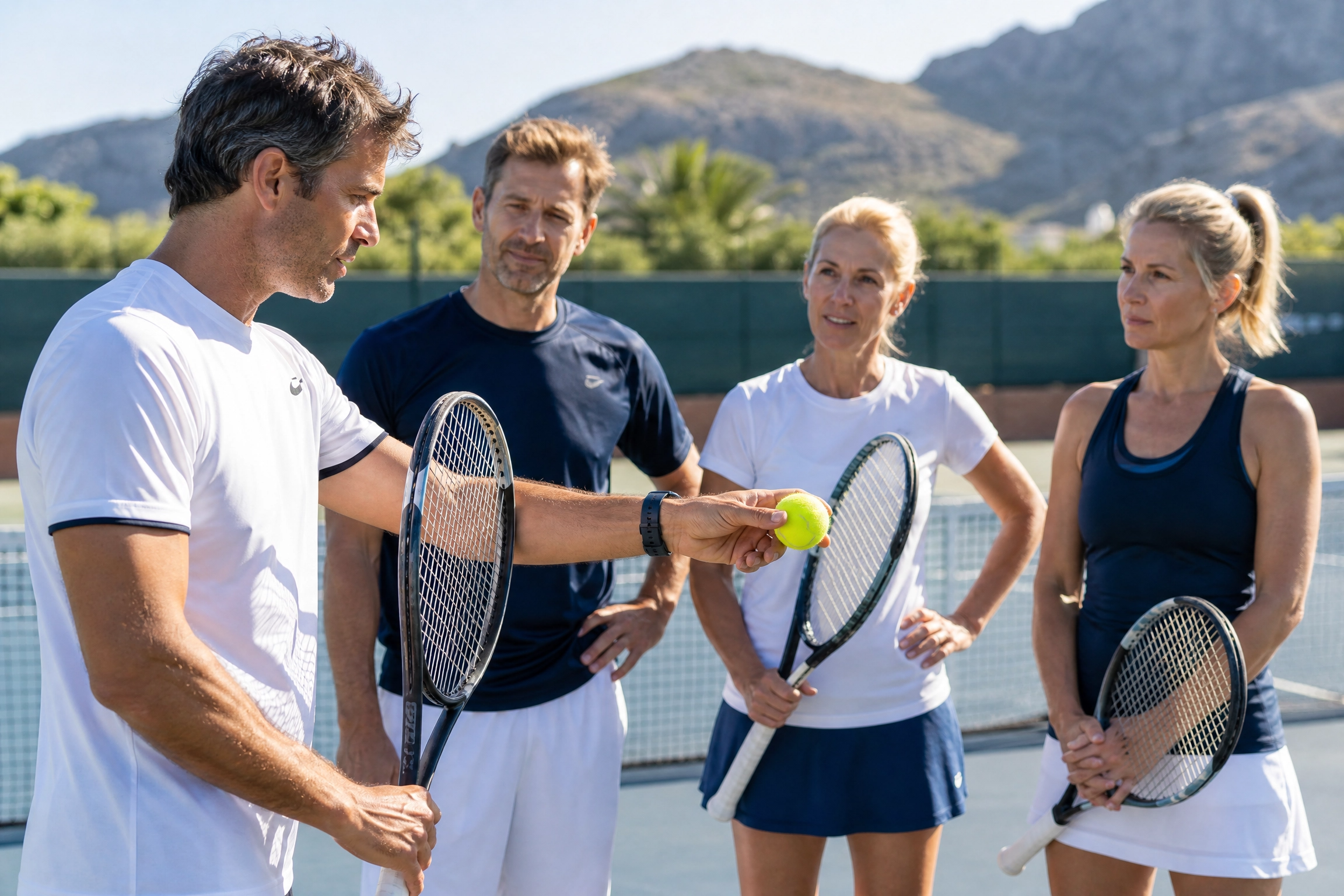
Most advanced beginners can't volley — not because they lack talent, but because nobody insisted on the right grip, the right positioning, or told them volleys aren't a mini groundstroke. Here's what actually needs to change.
Read More
Most advanced beginners can't volley — not because they lack talent, but because nobody insisted on the right grip, the right positioning, or told them volleys aren't a mini groundstroke. Here's what actually needs to change.
Read MoreMost adults want a straight answer on how long it takes to reach intermediate tennis. Here's what actually determines your timeline — and what's quietly slowing you down.
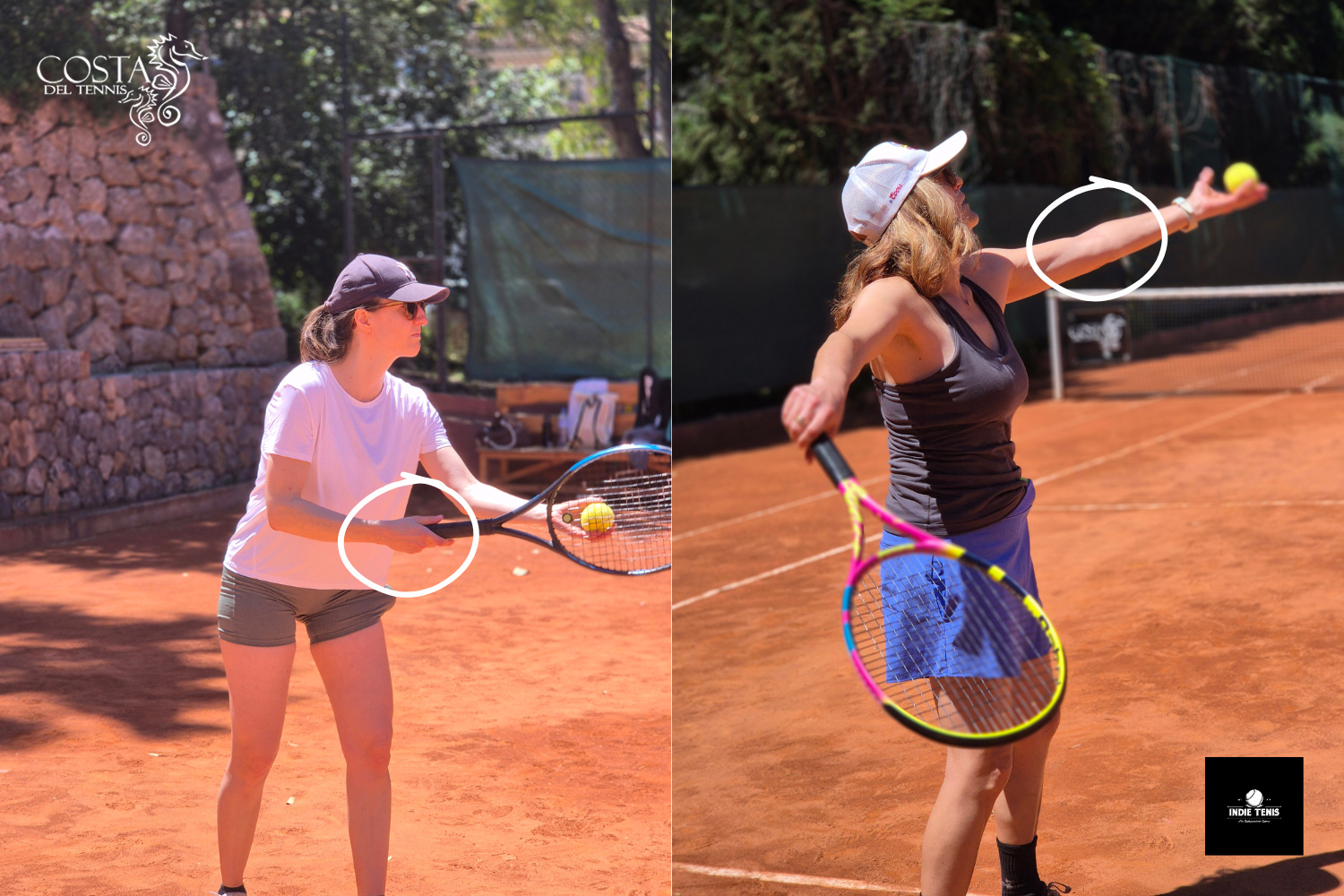
Read MoreMost adult beginners blame the toss. The toss isn't the problem. Here's what is.
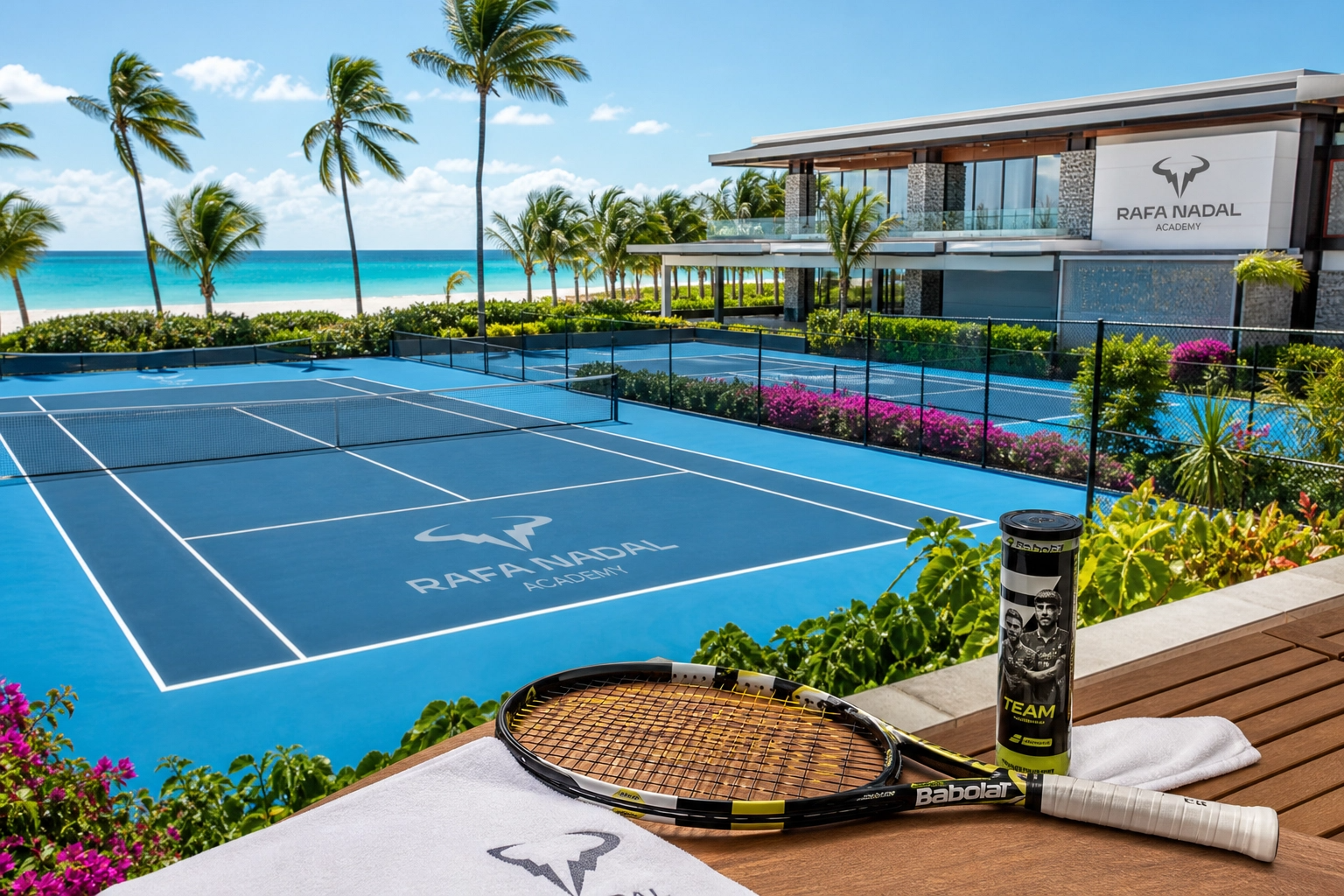
Read MoreThe Rafa Nadal Tennis Center in Punta Cana is one of the Caribbean's most complete racket sports facilities — tennis, padel, and pickleball on hard courts, with professional coaching for adults, juniors, and families. Direct flights from the US and Canada. Use code INDIETENIS for your partner discount.
Read MoreThinking about the Rafa Nadal Tennis Center in Costa Mujeres, Mexico? Here's what adult beginners and families need to know before booking — programs, hotels, when to go, and how to get a partner discount on your training.
Read MoreThinking about the Rafa Nadal Academy and wondering if it’s really worth the price? This honest, experience-based breakdown explains what the academy does well, who it’s for, and when it actually makes sense for juniors and adults.
Read MoreChoosing an annual junior tennis academy is a lifestyle decision, not a camp booking. This guide explains how to evaluate full-time tennis programs in Spain and the USA—focusing on coaching leadership, education, and player fit.
Read MoreMost adult beginners don’t quit tennis because they lack ability. They quit because frustration and self-judgment take over too early. This guide explains how to build a healthy tennis mindset so you stay relaxed, patient, and improve over time.
Read MoreMallorca is one of Europe’s most complete tennis destinations for adults and juniors. From quality clay courts and serious coaching to elite academies and professional events, this guide covers where to play, train, and experience tennis on the island — on and off the court.
Read MoreIf you’re new to competitive tennis—whether as a junior player, a parent, or an adult competitor—UTR can feel confusing fast. Used well, it helps players find fair competition and appropriate events. Used poorly, it becomes just another number to stress over. This guide explains what UTR really is, why it matters, and how to use it wisely without letting it take over your tennis journey.
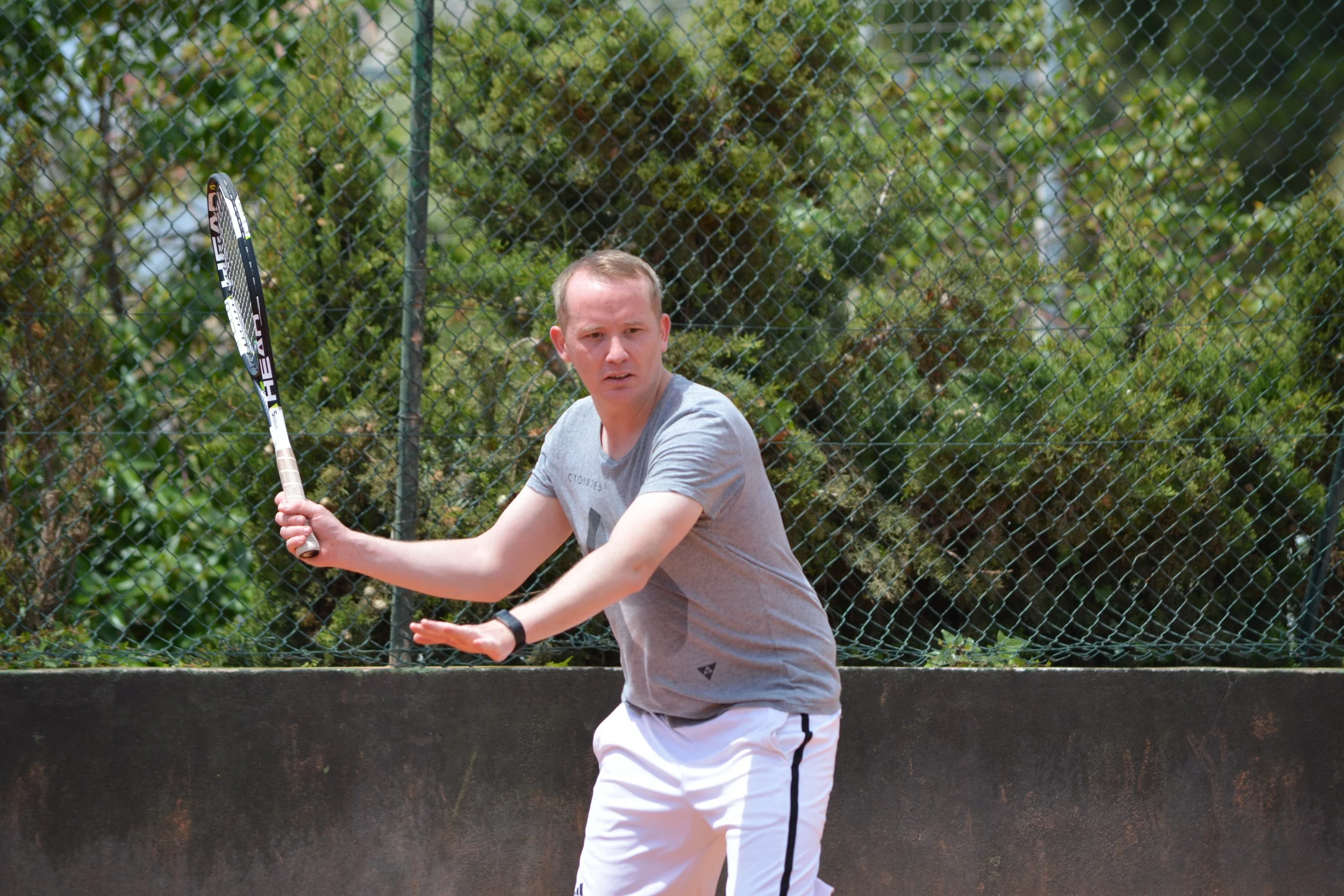
Read MoreThe forehand is the shot you’ll hit most in tennis, and the one that builds confidence fastest. For adult beginners, a reliable forehand comes from solid foundations: balance, contact out in front, and learning when to add power—and when not to.
Read MoreVolleys feel intimidating at first because everything happens faster at the net. But a good volley isn’t about swinging harder—it’s about position, balance, and using half the effort with better control. Once adults understand this, net play starts to feel simple and effective.
Read MoreTennis etiquette helps adult beginners feel confident and welcome on court. Knowing when to stay quiet, how to warm up, and how to handle line calls makes playing tennis more enjoyable for everyone.
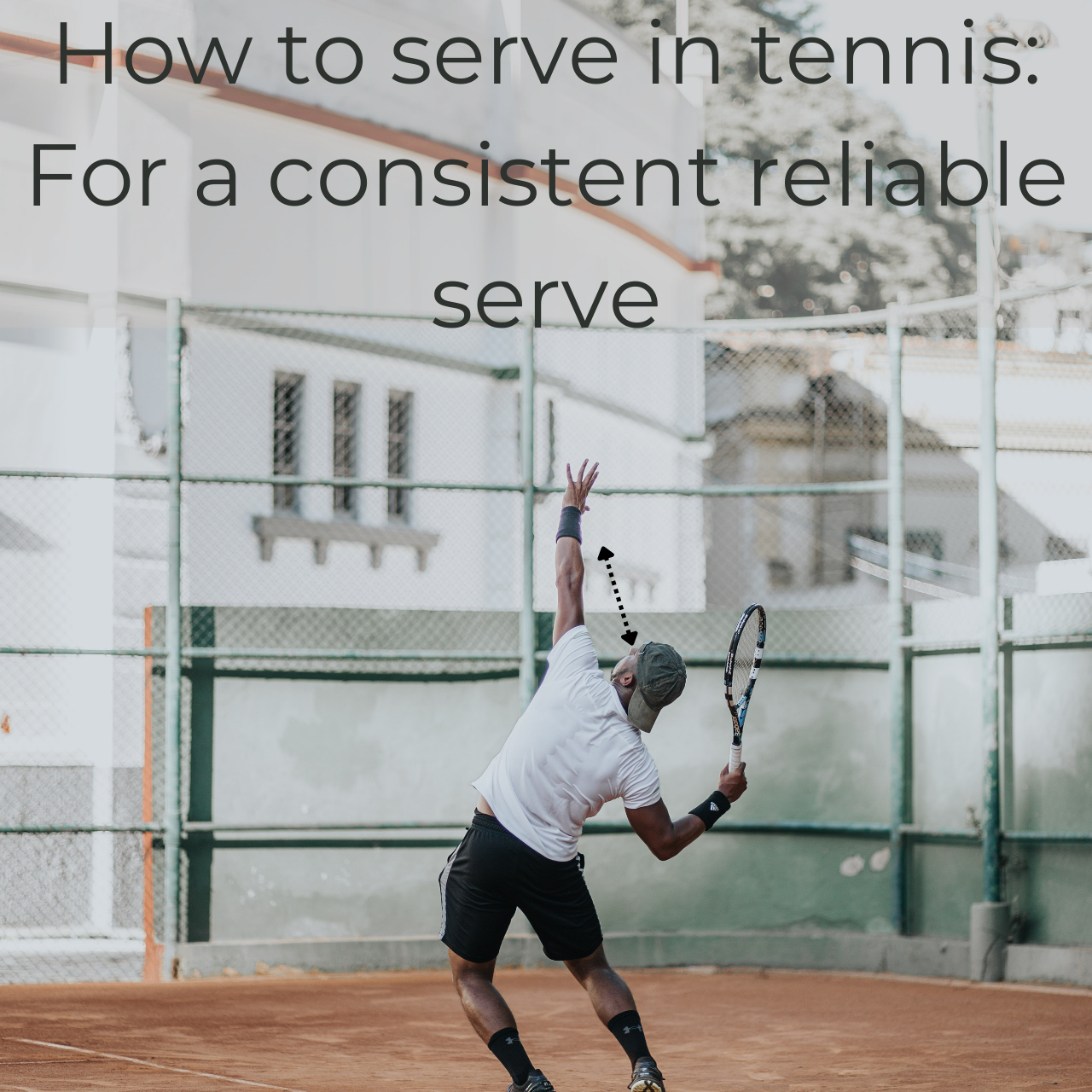
Read MoreLearning how to serve in tennis is where most adults feel stuck. Not because they lack ability—but because the serve asks for patience, coordination, and the right grip from the start. A consistent beginner serve isn’t about power. It’s about using the continental grip, respecting the ball toss, and building the motion slowly so it actually holds up in real matches.
Read MoreThe overhead smash is often the last core stroke adults learn in tennis—and the most intimidating. Understanding the timing, grip, and having smart options helps beginners stay calm, confident, and in control when lobs come their way.
Read MoreAdults aren’t quitting tennis because they don’t love it.
They’re avoiding the friction.
Pickleball and pádel make it easier to play early, feel included, and build confidence fast. Tennis often delays that experience—and adults notice.
The solution isn’t less tennis.
It’s better sequencing, clearer foundations, and permission to play sooner.
Adult tennis lessons change your game when they’re built on foundations, not shortcuts. For adults, clarity and sequencing matter more than intensity.
Read MoreTennis isn’t just a workout for adults — it’s a relationship.
A game built on movement, momentum, connection, and longevity, tennis meets you where you are and evolves as you do.
Choosing the right tennis coach as an adult can make or break your relationship with the game. Adults learn differently than juniors, and not every great player knows how to teach. This article breaks down what actually matters when hiring a coach—so you can improve with confidence instead of wasting time and money.
Read More