The Adult Beginner Forehand: Build a Reliable Shot
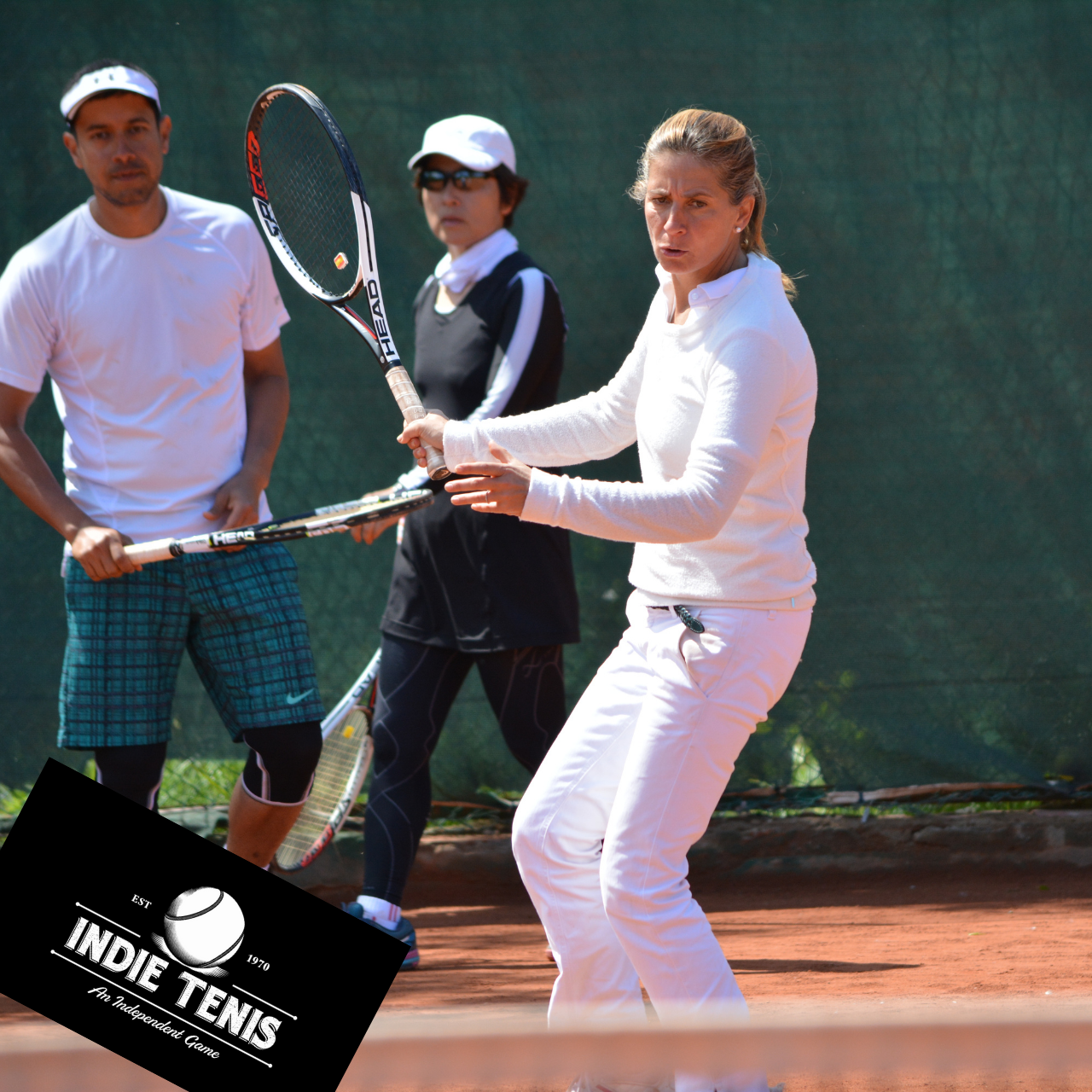
For most people, the forehand is the shot that pulls them into tennis.
That first clean contact.
That feeling of the ball leaving the strings and landing deep in the court.
It happens once — and you want it again.
The forehand is also the shot you’ll hit the most. Roughly 70% of your balls will be forehands, which makes it worth learning properly from the start.
When adults feel confident on their forehand, everything else gets easier.
New to tennis entirely? Start with our free adult beginner video course before working on volleys.
Start With the Right Mindset
Before technique, there’s this.
You’re learning something new.
No one expects you to be good right away.
Try to let go of:
how easy tennis looks on TV
how you played “a little” years ago
comparisons with the strongest hitter in your group
Most adult frustration comes from rushing past foundations.
Tennis rewards patience early and punishes shortcuts later.
Most adult frustration early on isn’t technical — it comes from pressure, comparison, and not knowing what’s expected on court.

What a Beginner Forehand Should Do
At the beginning, your forehand has one job:
Hit deep, consistent balls with height.
Think:
6 feet above the net
landing inside the court
repeatable contact
Before worrying about power or spin, learn to control depth and direction.
That’s real tennis.
The Grip: Eastern Forehand
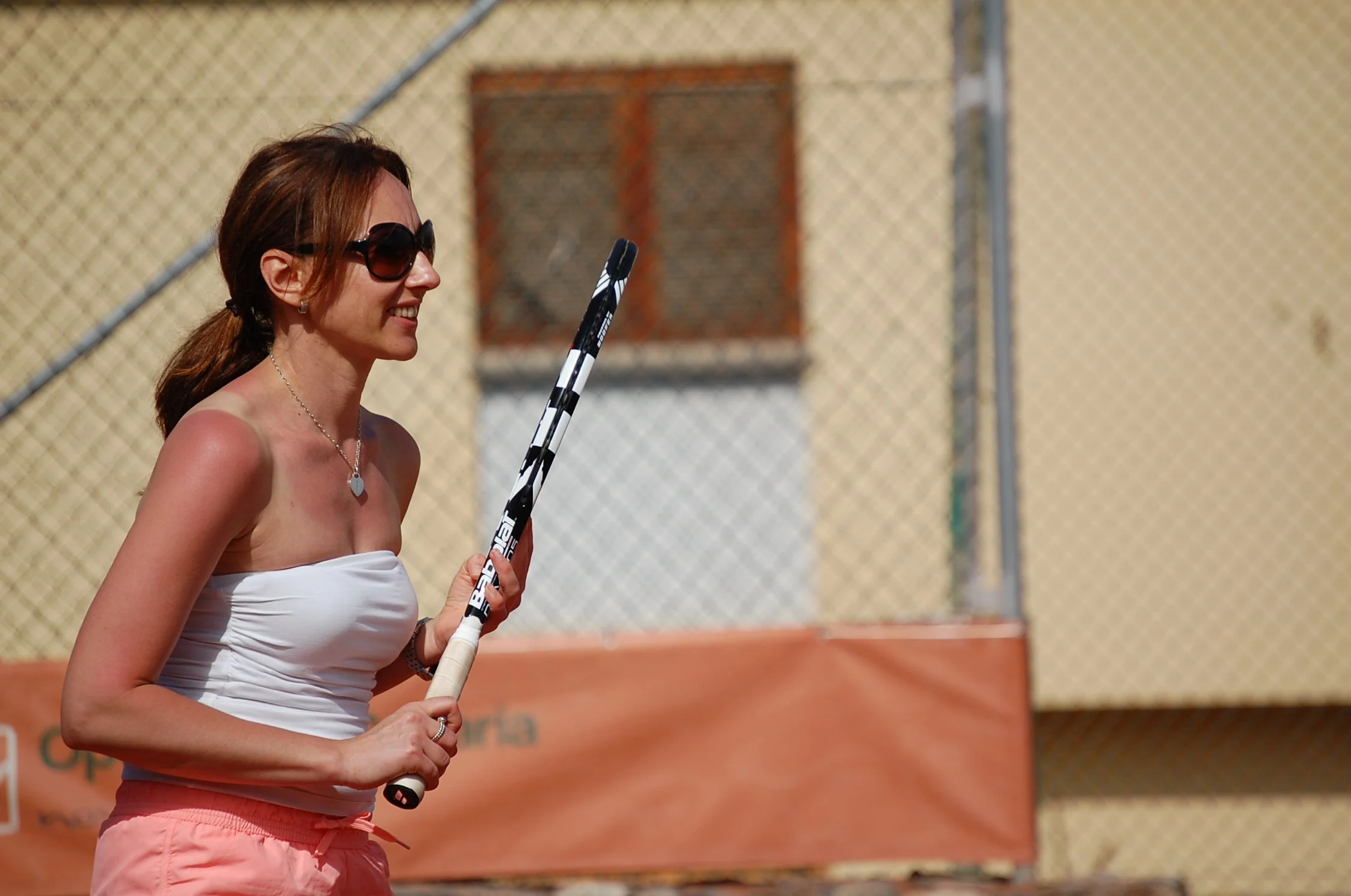
Most beginners use an eastern forehand grip, and that’s fine.
It allows you to:
hit through the ball
feel solid contact
develop natural power
If you can send the ball to the back fence on a full swing, you’re learning how to use your body correctly.
That sensation matters early.
The Ready Position
Every shot starts and ends here with the ready position.
On the forehand:
stand behind the baseline
racket in front
hips facing the net
From ready position, you’ll turn sideways to hit.
When the shot finishes, you return to ready position again.
This rhythm keeps you balanced and prepared.
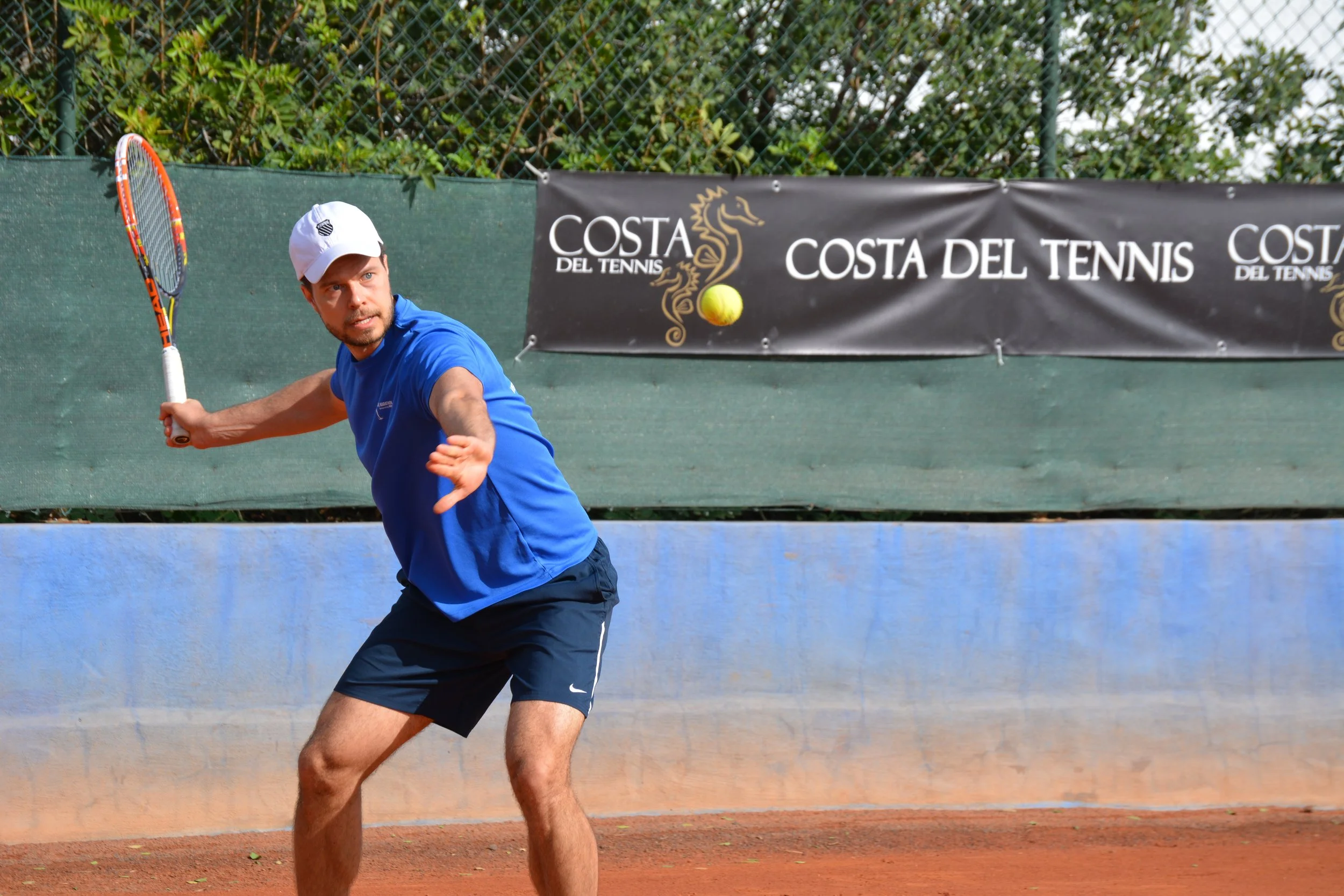
The Non-Dominant Hand (Don’t Skip This)
Your non-dominant hand is one of the most important parts of the forehand.
Use it to:
track the ball
show you where contact should happen
keep your body stable
Think of it as your guide.
When adults miss forehands, it’s often because this hand disappears too early.
The Backswing and Racket Shape
As you take the racket back:
keep the palm of your hitting hand facing the opposite court
don’t let the wrist collapse or flip open
The racket head should drop slightly below the incoming ball. This sets up a natural low-to-high swing, which helps the ball clear the net with margin.
The backswing doesn’t need to be big. Controlled is better than long.
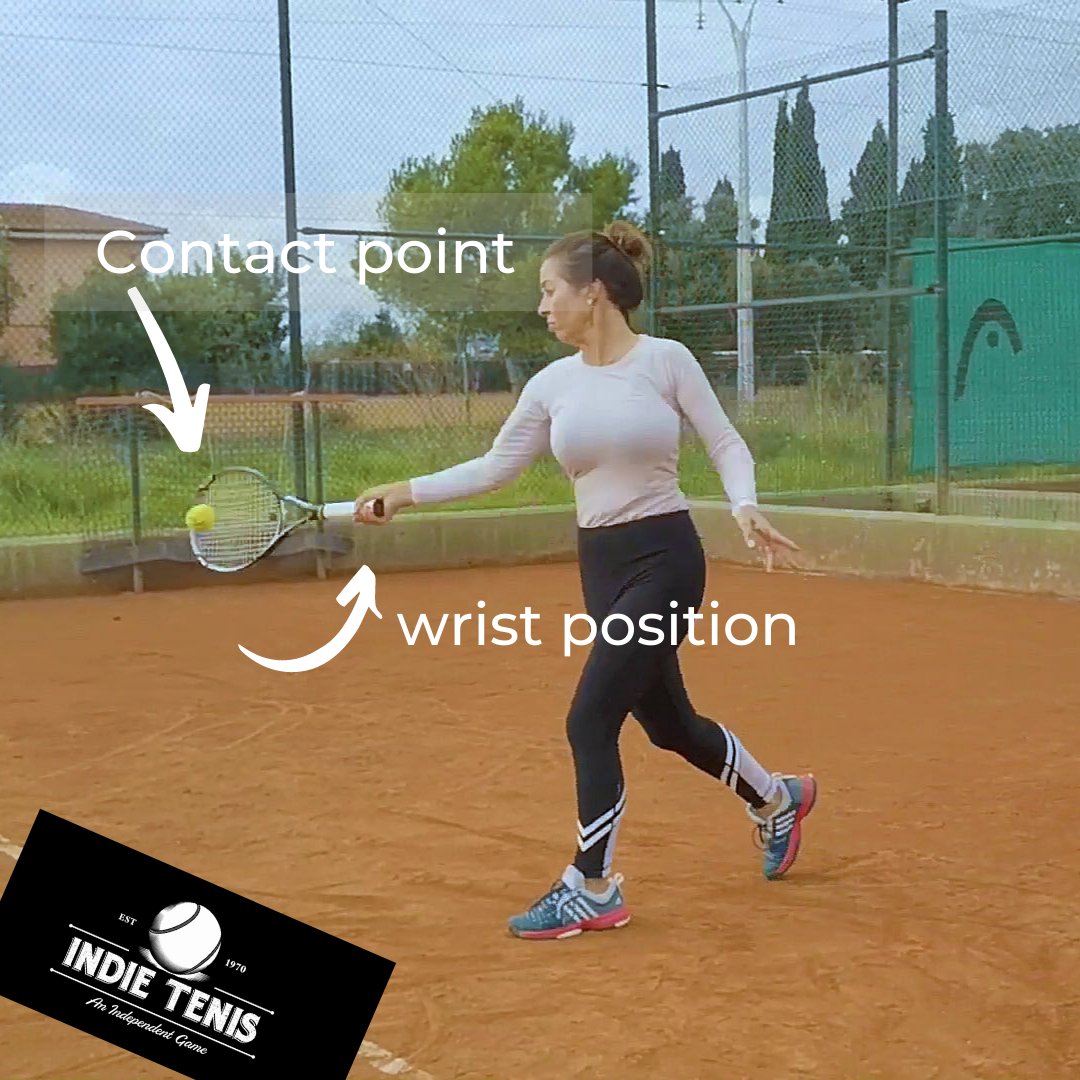
Contact Point: Out in Front
Good forehands happen in front of the body, not beside it.
As the ball approaches:
turn your shoulders
raise your non-dominant hand
let the ball come to you
When contact happens in front, everything feels easier. Timing improves. Control improves.
The Finish
Keep it simple.
A good beginner forehand:
extends away from the body
finishes across the body
stays relaxed
Avoid cutting the swing short or slapping at the ball. Those habits limit control and are harder to fix later.
Stance: Neutral and Open
You’ll use two main stances.
Neutral stance
best for learning
easier to balance
common in fed balls
Open stance
used when running wide
more athletic
harder, but necessary
Learn both. Tennis isn’t played from one position.
About Power (Less Than You Think)
Power is overrated early.
At the beginner stage:
consistency matters more
depth matters more
control matters more
Power comes from:
good positioning
shoulder and hip turn
racket speed
If you’re late or off balance, forget power. Just get the ball back.
That’s good tennis.
Learning to use your body on the forehand follows the same logic you’ll use when learning the serve.
Quick Forehand Fixes When You’re Struggling
If things start going wrong, check this list:
Hitting the frame?
You stopped watching the ball or lost your non-dominant hand.Hitting the net?
Swing up and give the ball more height.Balls flying long?
You’re early or too flat. Slow down and re-center.No power?
Turn your shoulders and hips together.Balls going straight up?
Check your wrist. Palm should face the court, not the sky.
Learning to self-correct is one of the best skills an adult player can develop.
One Last Reminder
Most adults who get stuck later didn’t struggle because tennis was too hard.
They struggled because foundations were rushed.
If you invest time in your forehand now:
rallies last longer
confidence builds
matches feel fun instead of stressful
And that’s the whole point.
Once adults start playing real points and wanting to put this content into practice you can find small group adult camps in spain for advanced beginner through intermediate advanced playing levels.
With love from Mallorca.