
Adult Beginner Tennis Volleys: Half the Effort, Real Control
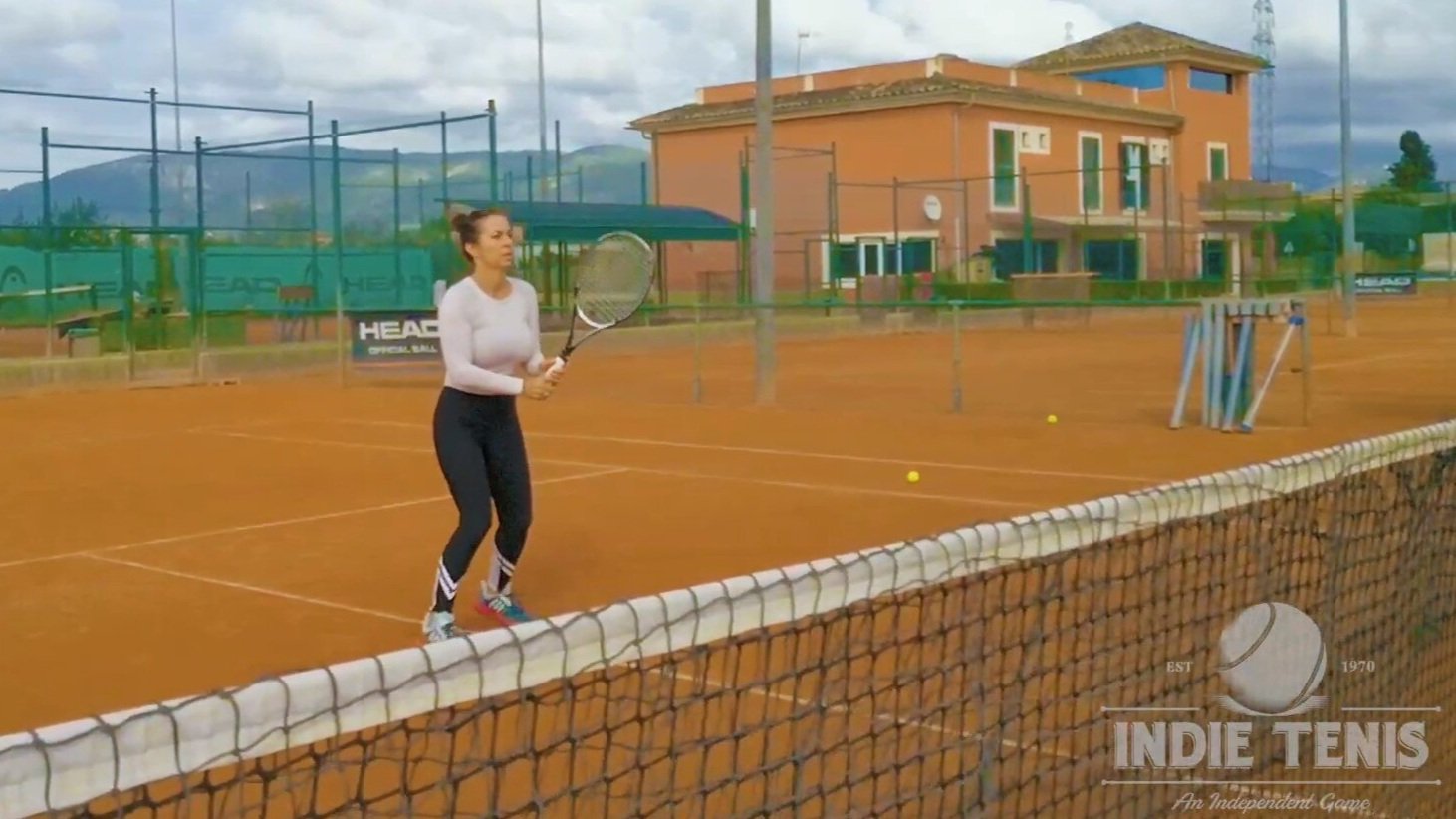
Sooner or later, every adult tennis player has to move forward.
From the baseline, you’ve had time.
At the net, everything happens faster.
Volleys can feel intense at first because you’re closer to the action and you don’t have time for a full swing. But once you understand what a volley really is — and what it isn’t — they become one of the most efficient shots in tennis.
A good volley is not a swing.
It’s a controlled punch with the body behind it.
New to tennis entirely? Start with our free adult beginner video course before working on volleys.
What Is a Tennis Volley?
A tennis volley is a ball hit out of the air before it bounces.
You’ll hit volleys on both the forehand and backhand side, using:
the continental grip
a short, compact motion
contact out in front
Most beginners try to do too much.
Volleys work best when you do less.
The Ready Position at the Net
Every shot in tennis starts from a ready position. At the net, this matters even more.
As a beginner:
stand about 3 feet back from the net
hold your racket in front of your body
keep the racket head above net height
stay light on your feet
After every volley, return immediately to ready position.
Net play is about being alert, not planted.

The Only Grip You Should Use: Continental
Both forehand and backhand volleys use the continental grip.
This grip:
keeps the racket face slightly open
helps the ball clear the net
allows control without swinging
protects your wrist and arm
Many adults skip this grip because it feels unfamiliar. That shortcut causes problems later, especially in doubles.
If you want to be comfortable at net, this grip is non-negotiable.
This is the same continental grip used on the serve, which becomes a foundation for many shots at the net.
How a Beginner Volley Should Feel
Here’s the biggest mindset shift:
A volley uses about half the effort of a groundstroke.
Think of it like a firm, controlled high-five in front of your body.
no big backswing
no wrist flicking
no slapping
Your racket only goes back as far as you can still see it in your peripheral vision.
Seeing the Ball Early at Net
Reaction time is shorter at the net, so awareness matters.
Train yourself to:
watch the ball leave your opponent’s racket
stay on your toes
move toward the ball, not wait for it
Many adults feel nervous at net because they’re late. Seeing the ball early removes most of that fear.
Getting hit happens to everyone at some point — it’s part of learning. Good positioning and early movement reduce that risk quickly.
Using Pressure Correctly on Volleys
One of the most useful habits at net is learning when to squeeze the racket.
hold the racket relaxed in ready position
squeeze briefly at contact
relax again as the ball leaves the strings
That squeeze stabilizes the racket and controls the ball.
Tension before or after contact only makes volleys harder.
Wrist and Arm Position
At contact:
your wrist stays firm, slightly up
your elbow stays bent and close to your body
your arm moves with your body, not independently
Avoid reaching early with a straight arm. That’s when control disappears and balls drop into the net.

Shoulder Turn on Volleys
There is a shoulder turn on volleys — it’s just subtle.
For a forehand volley:
turn slightly toward the ball
bring the racket back no farther than your shoulder
move forward into contact
Power comes from your body weight moving forward, not from swinging harder.
Seriously! volleys or being at net shorten your reaction time, so it’s important to be paying attention!
Simple Volley Footwork
Keep footwork uncomplicated.
If the ball is wide, step across your body toward it
If the ball comes straight at you, use small adjustment steps
Your feet often take care of the body turn automatically if you move first and think less
Where to Aim as a Beginner
At the start:
get the ball over the net
land it inside the court
aim deep, past the service line
As you improve:
practice cross-court
practice down the line
aim away from your opponent
Depth matters more than speed.

How to Practice Volleys Effectively
Targets help.
Set simple targets deep in the court and practice guiding the ball there with:
correct grip
stable wrist
short motion
If you’re on your own, a wall works well. Mark a net height visually and rally volleys back and forth. It builds timing and confidence fast.
Many strong volleyers learned this way.
Once your volley starts feeling compact and controlled in practice, the real test is using it at the right moments during points. Here’s how adult club players learn to apply those same fundamentals inside live match situations.
Final Thought
Net play changes how tennis feels.
You’re closer.
You’re more involved.
You finish points instead of extending them.
Volleys aren’t about force.
They’re about position, control, and calm decisions.
Once that clicks, the net stops feeling dangerous — and starts feeling powerful.
Many adults develop their net play further in structured environments designed for players already comfortable with the basics. When you’re comfortable at the advanced beginner level join us here so we can practice together.
With love from Mallorca~