
The Adult Beginner Tennis Smash: Technique, Timing, and Smart Options

The overhead smash is usually the last core stroke adults learn in tennis.
And that makes sense.
It looks dramatic.
The ball comes fast.
And when you miss one, it can feel… personal.
But here’s the truth:
The overhead smash is much more psychological than technical — especially at the beginning.
Once you understand the motion and know you have options, it becomes far less intimidating.
New to tennis entirely? Start with our free adult beginner video course before working on your overhead.
Why the Overhead Smash Feels So Uncomfortable at First
As a beginner, most balls come toward you — not over your head.
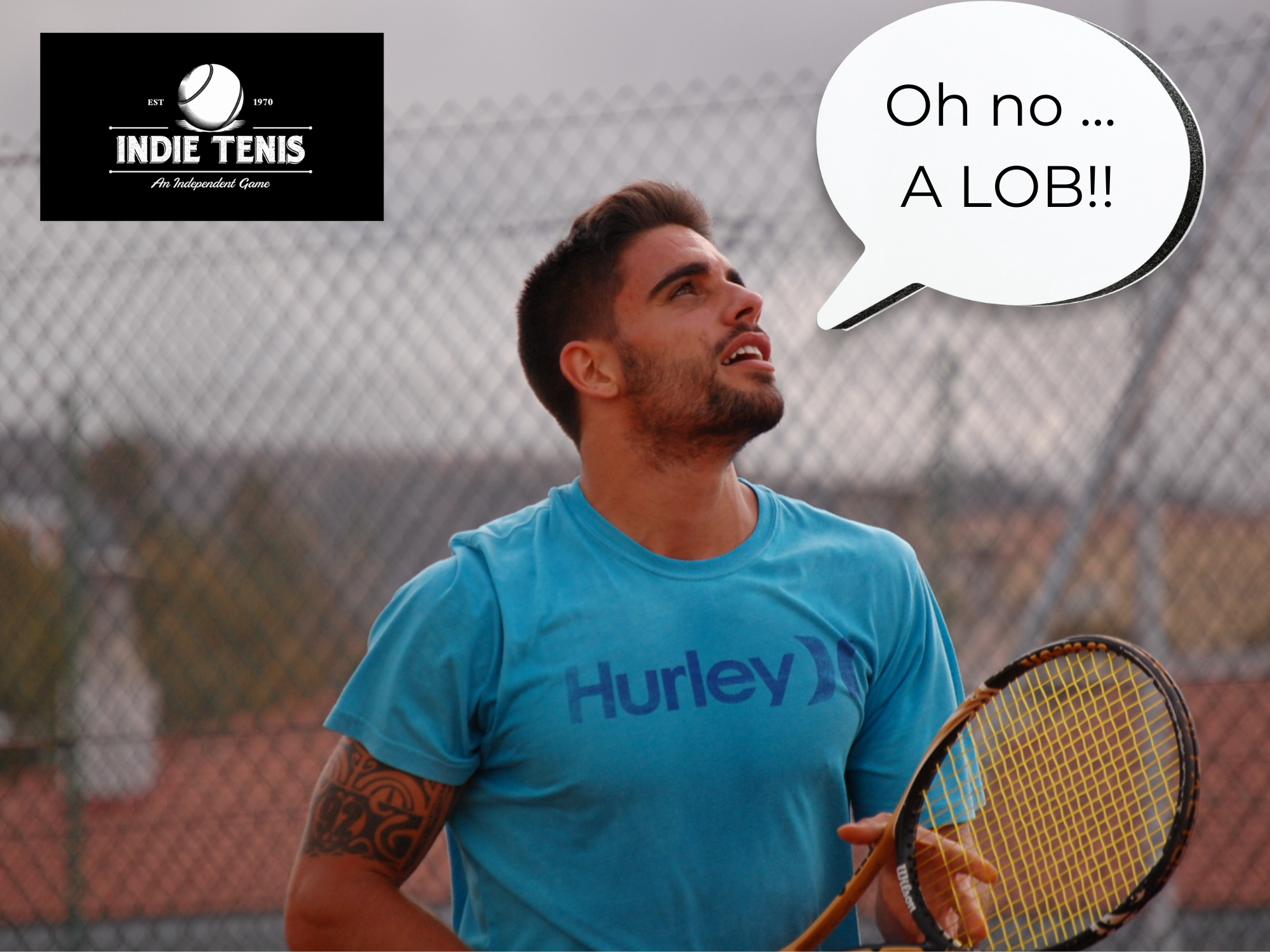
So the first time a real lob floats up and drops behind you, your instincts panic:
you move too late
you rush the swing
you take your eyes off the ball
That reaction is normal.
The overhead asks you to:
track a high ball
move backward and sideways
stay relaxed while reaching up
That combination takes time.
The Overhead Is Closely Related to the Serve
If you’ve learned the serve, you already have a head start.
The overhead smash:
uses the same continental grip
follows a similar throwing motion
finishes across the body
That’s why I always teach the overhead after the serve.
You’re not learning a brand-new stroke — you’re adapting one you already know.
First Priority: Recognize the Lob Early
The earlier you recognize a lob, the calmer everything becomes.
Lobs are rarely subtle.
You’ll usually notice:
a slower swing
an open racket face
a higher trajectory
As soon as you see it, your job is simple:
turn, move, and get under the ball.
You almost always have more time than you think.
The Correct Grip for the Overhead Smash
Use the continental grip — the same grip you use for serving.
This grip allows you to:
reach comfortably overhead
control direction
protect your arm
If you switch to a forehand grip, the shot becomes awkward and unreliable very quickly.
Stay with the continental grip, even if it feels strange at first.
Overhead Smash Technique (Beginner Version)
Here’s a clean, step-by-step sequence that works for adults:
Start in a ready position at net, continental grip
Recognize the lob early
Turn sideways so your non-dominant shoulder points toward the ball
Point up at the ball with your non-racket hand
Side-step back until you’re comfortably under it
Keep your head up and eyes on the ball
Reach up, then swing up and through the ball
Contact the ball above your head, not at shoulder height
Finish across your body, like your serve
Recover to your ready position
Don’t rush this.
Timing improves with repetition.

Where to Aim the Overhead (At the Beginning)
First goal: clean contact.
Second goal: in the court.
At the start:
hit anywhere inside the lines
don’t worry about pace
don’t aim for corners
Once you’re comfortable, then:
aim away from your opponent
use simple targets
add speed gradually
Accuracy always comes before power.
Smart Options When You’re Not Ready to Smash
This is the most important part for adult players.
You do not have to hit a full overhead every time.
Here are your options:
Option 1: True Overhead (Out of the Air)
Best choice when you’re under the ball
Clean contact above your head
Ends the point quickly
Option 2: Let It Bounce
Useful when the lob is very deep
The ball comes back up slower
Same overhead technique, just more time
Option 3: Forehand After the Bounce
If the lob pushes you far back
Let it drop into your forehand zone
Reset the point instead of forcing a smash
These options keep you in the point while your overhead develops.
How to Practice the Overhead Without Stress
Start small.
Ask for:
shallow feeds
slower lobs
controlled practice
Work your way up to:
higher balls
deeper movement
faster swings
The overhead improves with exposure, not force.
Even experienced players feel rusty on this shot after time away — you’re not alone.
Final Thought
The overhead smash feels intimidating until it doesn’t.
The overhead often feels easy in drills and frustrating in real matches. The difference is positioning, decision-making, and repetition under pressure. That’s exactly how our small-group adult coaching weeks in Spain are structured — so your fundamentals hold up in live points.
Once you:
recognize the lob early
trust the continental grip
accept that you have options
This shot becomes fun.
And when you finally connect cleanly and hear that solid contact above your head — you’ll understand why.
Tennis always keeps you guessing.
That’s part of the draw.
With love from Mallorca 🌱