Why Pickleball and Pádel Feel Easier Than Tennis (And What Adults Are Really Responding To)
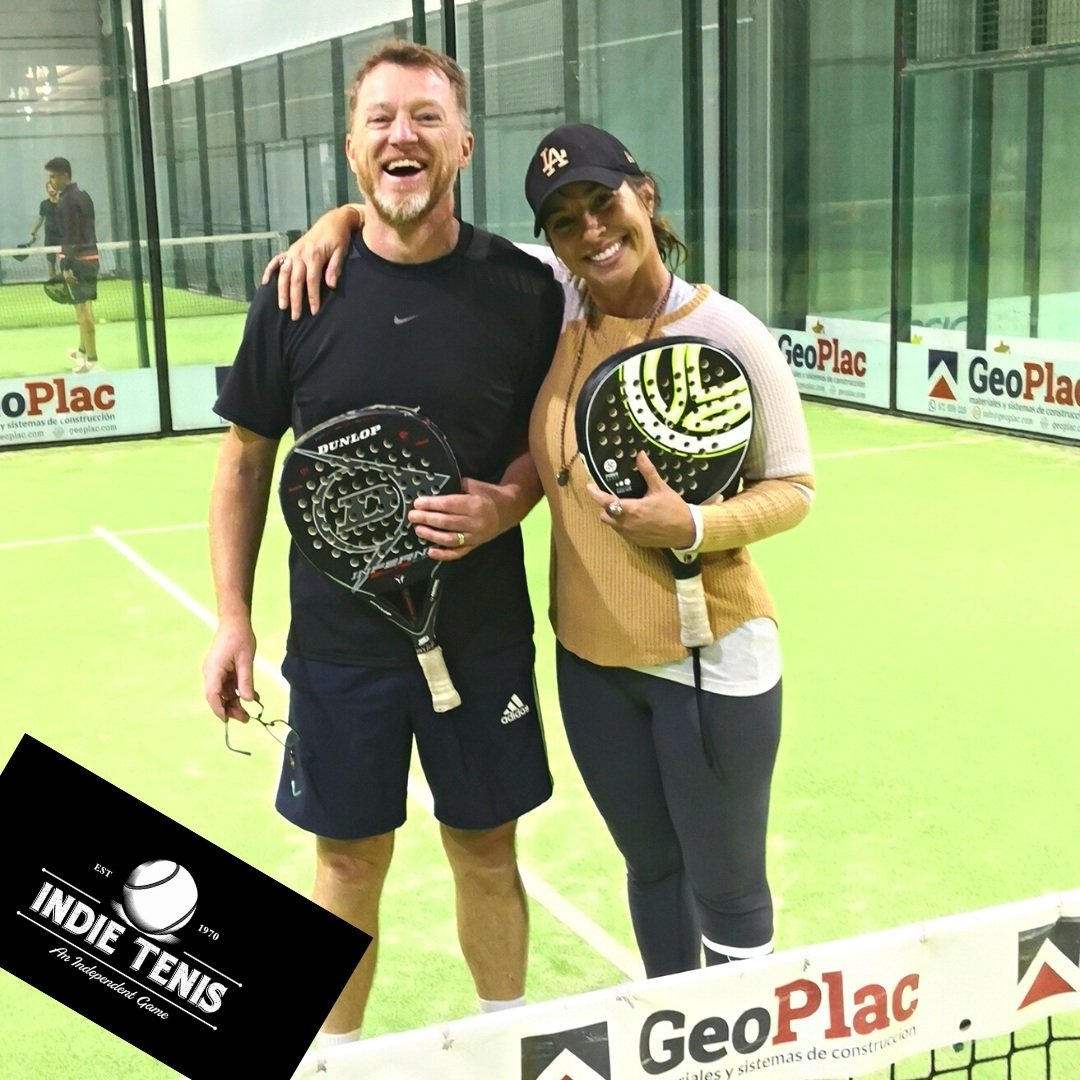
When I returned to the courts after COVID, something felt different.
In the U.S., tennis courts were empty—or worse, striped with extra lines for pickleball. Groups of adults stood around laughing, rotating in and out, clearly having a good time. No stress. No awkwardness.
Back in Spain, it was impossible to ignore what was happening with pádel. Courts were full from morning to night. New clubs popping up everywhere. Adults of all ages playing matches, not just taking lessons. Pádel had already been growing for years, but now it was unmistakable: it had become the dominant racket sport in Spain.
As an adult tennis coach and director, I wasn’t annoyed.
I was curious.
The real question wasn’t why pickleball or pádel?
It was why not tennis—for adults?
Adults Aren’t Leaving Tennis — They’re Avoiding Friction
Most adults don’t quit tennis because they don’t like it.
They stop because the path to actually playing feels too long, too technical, or too isolating.
Adults:
have limited time
don’t want to feel behind
don’t want to waste money
don’t want to train forever before they’re “allowed” to play
Pickleball and pádel remove friction early. Tennis often adds it.
That difference matters.
Why Pickleball Works So Well for Adults
Pickleball didn’t explode by accident. It solved several adult problems at once.
First, you can play almost immediately.
Most beginners are rallying and scoring points within a session or two.
Second, the social structure is built in.
Games are short. Rotation is constant. You meet people fast. One tennis court can hold four pickleball courts—suddenly 16 people are playing instead of four.
Third, mixed levels still work.
In tennis, mismatched levels kill a game. In pickleball, the ball stays in play longer, so better players don’t get frustrated and newer players don’t feel exposed.
There’s also a smart competitive structure. Age divisions. Level-based brackets. Weekend tournaments that don’t dominate your life. Adults feel welcome competing early—and that’s huge.
Why Pádel Feels Instantly Addictive
Pádel solves a different set of adult frustrations.
The court is smaller. The ball moves slower. The walls keep points alive. Doubles play is standard, so no one feels alone out there.
Adults often say the same thing after their first sessions:
“I can actually play.”
You don’t need perfect technique to get started. Early success comes from positioning, patience, and basic tactics—not power.
It’s also highly social. Four people on court, then a drink afterward. Matches fit neatly into adult schedules. You play more points in an hour than in tennis, which gives a faster sense of progress.
That combination—belonging + progress—is powerful.
If part of what appeals to you about pickleball or pádel is the social energy and lower-pressure entry point, there are also structured tennis and racquet sport programs in Spain that offer that same accessibility — including adult and junior options at the Rafa Nadal Academy, where our promo code applies to training and accommodation.

The Trade-Offs Adults Don’t Always See at First
Easier doesn’t mean effortless forever.
In pickleball, many adults stall around the intermediate level because they rely on hard shots instead of learning touch. In pádel, players can win early without strong foundations—but hit a ceiling once tactics and technique matter more.
Injury patterns also show up differently.
Pádel, in particular, can be tough on elbows, shoulders, knees, and backs due to vibration, low balls, and fast directional changes—especially for adults without strong movement habits.
Every sport has its plateau.
Tennis isn’t unique there.
Where Tennis Loses Adults (And It’s Not the Sport Itself)
Tennis is still the most complete racket sport there is.
Physically, mentally, technically—it offers depth that few sports match.
The problem isn’t tennis.
It’s how adults are introduced to it.
Many adults spend weeks:
standing in baskets
learning grips without context
hitting without understanding how they’ll actually use those skills in a match
A classic example is grip progression.
Adults often start with a comfortable forehand grip because it feels natural. Later, they’re suddenly told they need the continental grip—for serves, volleys, overheads, slices. It feels awkward, unfamiliar, and unnecessary to them, so they abandon it.
No one explains why it matters to playing real tennis.
That gap—between learning and playing—is where adults drift away.
How to Play Pickleball
Tennis Can Win Adults Back — But It Has to Teach Differently
Adults don’t need less tennis.
They need better sequencing.
That means:
foundations taught with patience and context
permission to play earlier
level-appropriate environments
coaching that adapts to adult bodies, time constraints, and learning styles
When adults feel progress—and confidence—they commit. Not casually. Deeply.
They book courts. They invest in coaching. They travel. They return.
This is where adult-focused tennis camps and small-group programs make a real difference. Not because of luxury or location—but because adults feel seen, guided, and respected as players.

The Bottom Line
Pickleball and pádel aren’t threats to tennis.
They’re mirrors.
They show us what adults respond to:
inclusion
early success
social rhythm
confidence over perfection
Adults don’t want to be babysat.
They want to play better and enjoy the process.
When tennis meets adults where they are, it doesn’t lose.
It thrives.
And it always has.